Riley Keller · 10 October 2026
Leveraging Machine Learning Algorithms to Optimize Power Efficiency in Individually Configured High Performance Computers
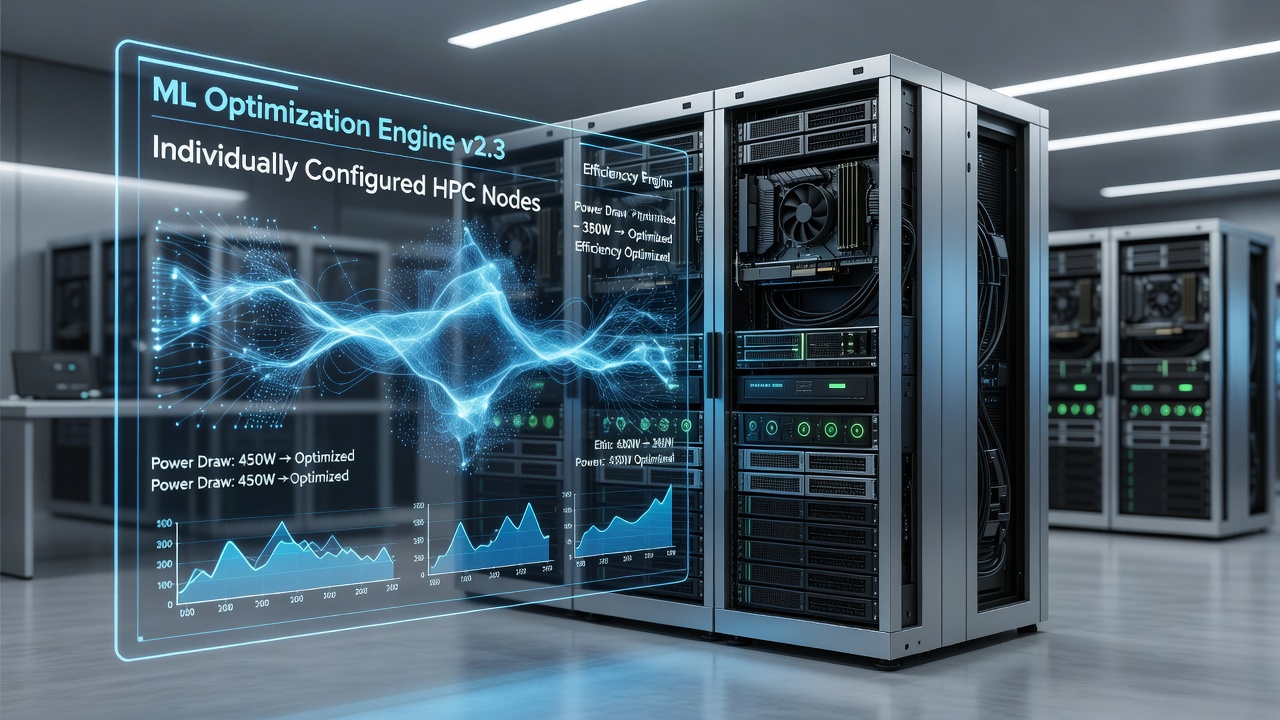
Individually configured high performance computers present unique challenges for power management because each system incorporates distinct combinations of processors, memory modules, accelerators and cooling solutions that alter energy consumption patterns in unpredictable ways, yet machine learning algorithms now address these variations through real-time analysis and adaptive control mechanisms that researchers have refined over multiple hardware generations.
Power Consumption Patterns in Custom HPC Configurations
Custom high performance computers often operate under fluctuating workloads that range from intensive parallel computations to idle states, and data from monitoring systems show that these shifts create opportunities for optimization when algorithms learn the specific signatures of each build, while traditional static power management fails to account for the interplay between user-selected components and their thermal behaviors.
Studies conducted across research facilities indicate that individually configured systems can experience power draw variations of up to forty percent depending on the chosen graphics processing units and interconnect fabrics, which makes predictive modeling essential for maintaining efficiency without compromising performance thresholds that operators have established for their particular workloads.
Machine Learning Techniques Applied to Energy Optimization
Reinforcement learning models train on historical telemetry from sensors embedded in processors and power supplies, allowing them to adjust voltage and frequency scaling dynamically as tasks progress through different phases, and these approaches have demonstrated reductions in overall energy use when applied to clusters that feature heterogeneous node designs assembled according to specific project requirements.
Supervised learning methods classify workload types based on memory access patterns and computational intensity, then map those classifications to optimal power states that minimize waste while preserving the throughput levels required by scientific simulations or rendering pipelines, whereas unsupervised techniques identify anomalies in power usage that signal opportunities for recalibration of cooling systems or component sleep schedules.
Implementation Across Research and Industry Environments
Facilities that deploy these algorithms integrate them into existing cluster management software so that each configured machine contributes data to a shared model that improves over time, and one notable deployment at a national laboratory adjusted cooling fan speeds and processor throttling in response to predicted heat generation rather than reactive thresholds, which produced measurable savings in electricity consumption across hundreds of nodes.
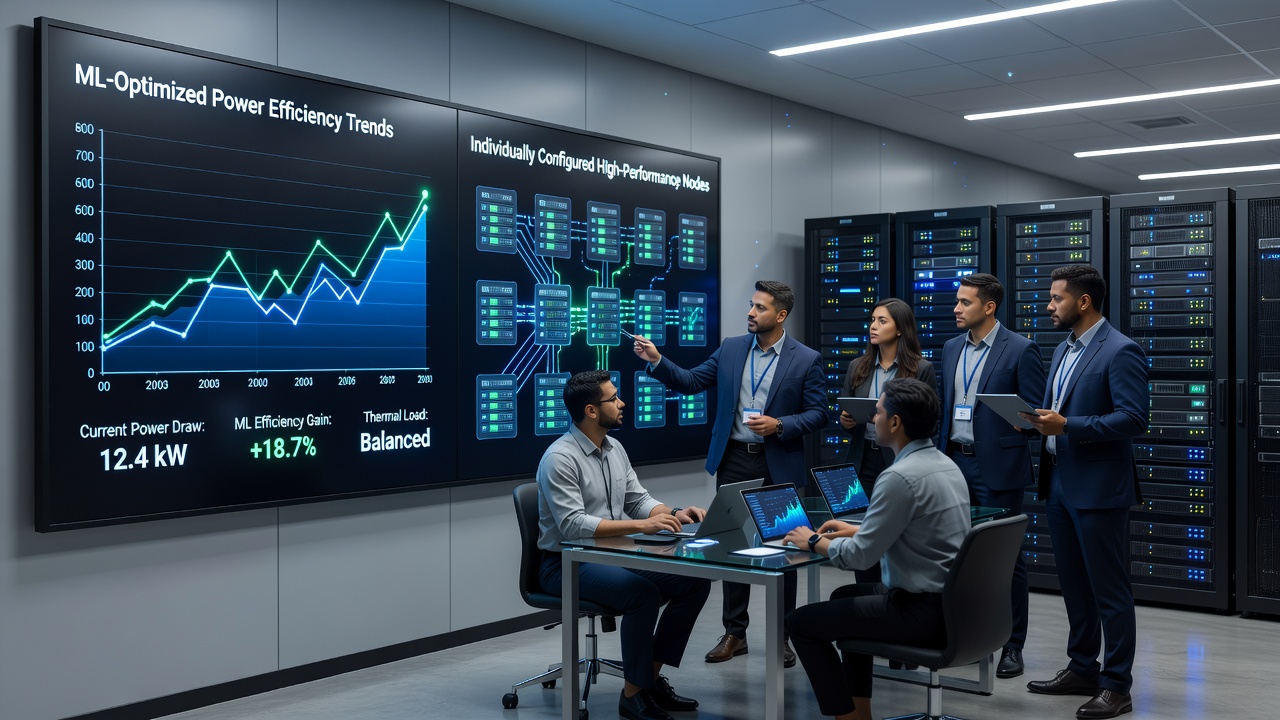
Commercial providers of specialized computing hardware have begun embedding similar capabilities into firmware updates released during October 2026, enabling users who assemble systems around particular application needs to activate automated efficiency modes that respond to both short-term task demands and longer-term usage trends observed across comparable configurations.
According to reports from U.S. Department of Energy efficiency programs, such integrations have supported broader efforts to lower the energy intensity of high performance computing operations without requiring uniform hardware standards across all deployments.
Measurement and Validation of Efficiency Gains
Validation studies compare baseline power metrics collected before algorithm deployment against post-implementation readings taken under matched workload conditions, and results consistently show that models trained on configuration-specific data outperform generic policies by adapting to the unique electrical characteristics introduced by custom power supplies and memory configurations.
Canadian research groups affiliated with Natural Resources Canada have published findings that highlight how reinforcement learning agents reduced peak power demand in testbeds featuring mixed CPU and GPU nodes, confirming that the approach scales effectively when additional systems join the network and contribute fresh training examples.
Future Directions for Algorithm Integration
Developments scheduled for late 2026 include tighter coupling between machine learning optimizers and emerging interconnect standards, which will allow predictive adjustments to extend across networked nodes rather than remaining isolated to single machines, and observers note that this evolution supports continued growth in customized high performance computing deployments while addressing grid stability concerns raised by large-scale facilities.
Conclusion
Machine learning algorithms continue to refine their ability to optimize power efficiency in individually configured high performance computers by learning from the distinct operational profiles that each custom build creates, and ongoing deployments demonstrate that these methods deliver consistent reductions in energy consumption when integrated into management frameworks that monitor component-level telemetry across varied hardware selections.