Cameron Perry · 12 September 2026
The Interplay Between Custom Configuration Services and User Retention in the Computing Industry
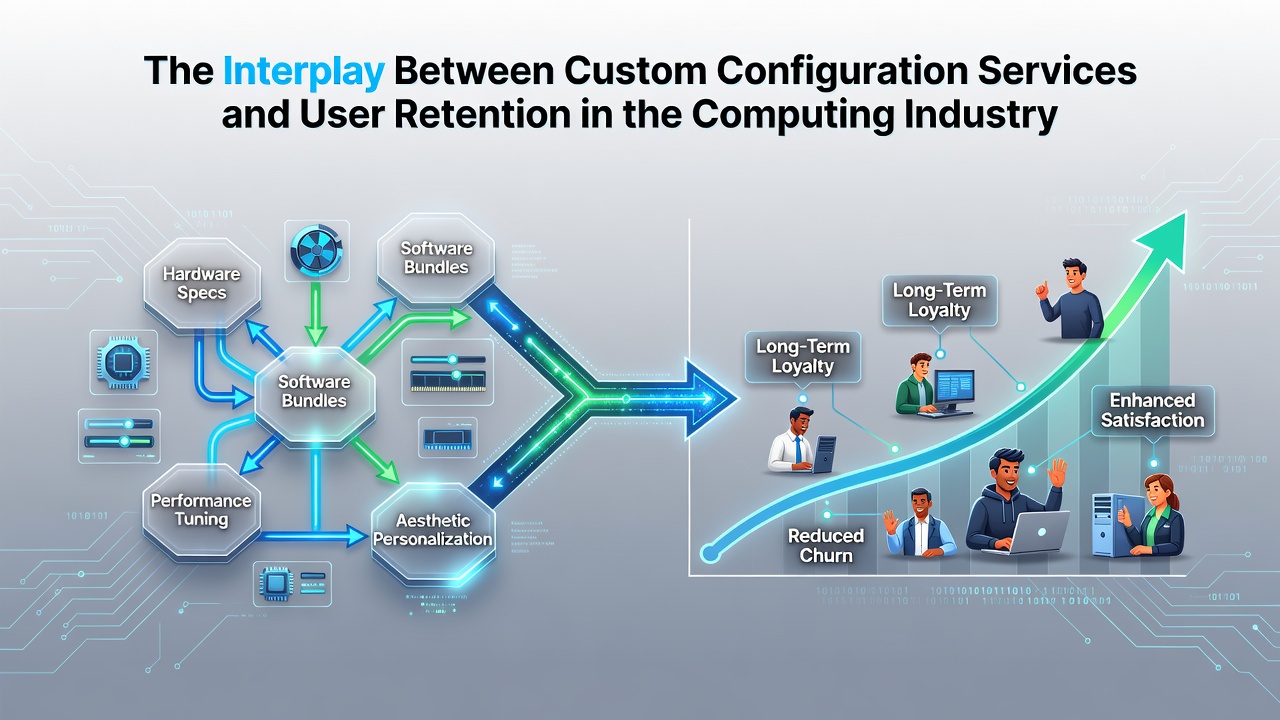
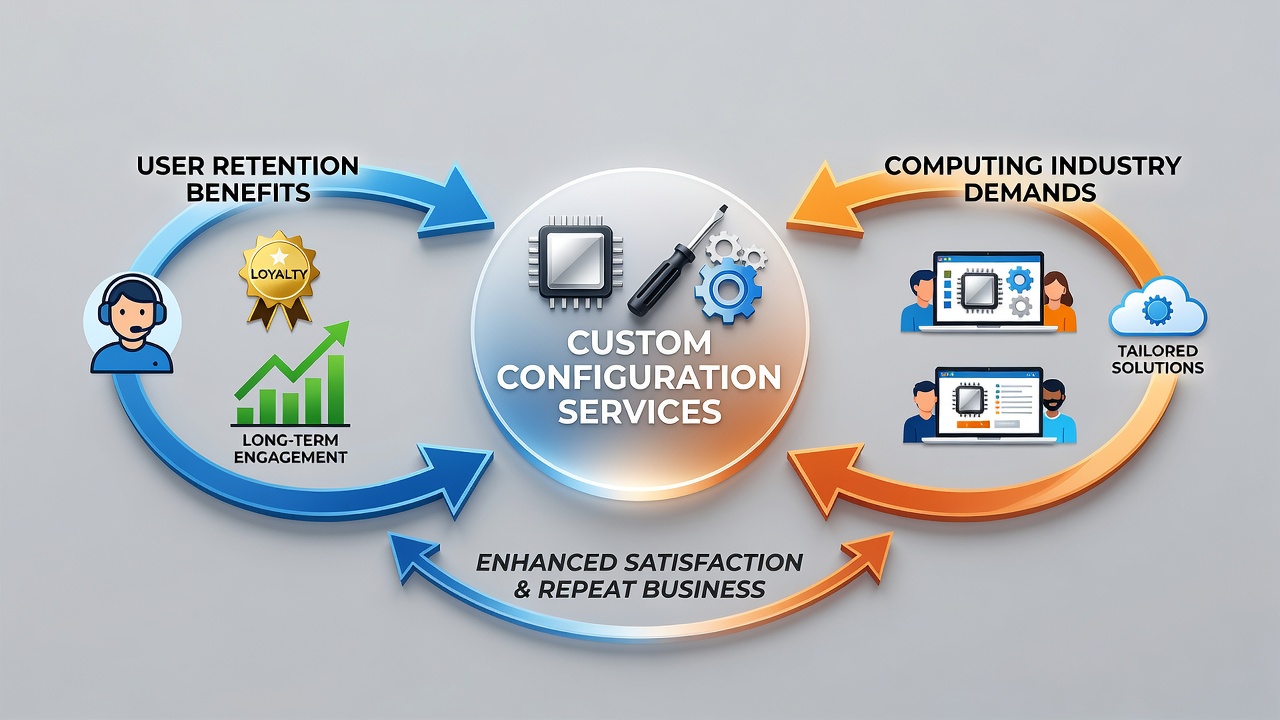
Custom configuration services allow businesses and individuals to tailor hardware specifications, software setups, and peripheral integrations to exact requirements, and these options have become central to retention strategies across the computing sector. Companies that provide such services report measurable differences in how long customers stay engaged with their platforms compared to those offering only standard configurations.
Understanding Custom Configuration in Computing
Manufacturers and service providers enable users to select processor types, memory capacities, storage solutions, and specialized components during the purchasing process, while post-sale adjustments often include operating system optimizations and application bundling. Data from industry reports shows that these choices align products more closely with workflow demands in fields ranging from graphic design to data analysis, and this alignment reduces the frequency of product switches.
Observers note that customization extends beyond hardware into cloud-based management tools and firmware updates that adapt over time. Research indicates firms integrating these services see repeat engagement rates climb because users encounter fewer compatibility issues and receive ongoing support tailored to their initial selections.
Links to User Retention Metrics
Retention in the computing industry tracks through metrics such as subscription renewals, upgrade cycles, and service contract extensions. Studies reveal that customers who utilize custom configuration options demonstrate longer average relationship durations with providers, often exceeding those of users who select pre-built systems by measurable margins. Figures compiled by Statistics Canada on technology adoption patterns illustrate how personalized setups correlate with sustained platform usage across enterprise segments.
Service providers track these outcomes through usage analytics and support ticket volumes, which tend to decrease when configurations match specific needs from the outset. One analysis of sector data highlighted that organizations offering modular upgrades tied to original custom orders maintained higher retention through the first three years of customer tenure compared to competitors relying on generic offerings.
Role of Support and Ongoing Adjustments
Custom configuration services frequently pair with dedicated support channels that address unique setups rather than generic troubleshooting scripts. This approach minimizes downtime and builds operational familiarity, factors that data shows contribute directly to decisions about contract renewals. In September 2026, several major vendors expanded their configuration platforms to include predictive adjustment features based on usage logs, further embedding customers within their ecosystems.
Those who have examined retention statistics across regions observe that enterprises in manufacturing and research sectors particularly benefit from these services because specialized computing needs evolve gradually. Providers that accommodate incremental changes without full system replacements report steadier customer bases, according to aggregated industry figures.
Industry Examples and Data Patterns
Take the case of mid-sized research institutions that order configured workstations with specific GPU arrays and cooling systems; these organizations show lower rates of vendor switching when follow-up services adapt to new software releases. OECD reports on digital infrastructure adoption document similar patterns in European markets where customization availability influenced multi-year procurement decisions.
Patterns also appear in consumer segments where hobbyists and professionals configure gaming or content creation rigs. Retention improves when providers offer ongoing component compatibility checks and upgrade paths that preserve earlier investments. Companies tracking these interactions note that tailored service packages reduce churn even during periods of rapid hardware innovation.
Challenges in Implementation
Scaling custom services while maintaining retention requires precise inventory management and skilled technical staff. Providers that streamline ordering interfaces and automate compatibility validation see stronger results because users encounter fewer obstacles from initial setup through subsequent updates. Evidence from sector analyses suggests that integration with third-party software ecosystems further strengthens these connections when configurations remain consistent across updates.
Geographic variations exist, with North American firms often emphasizing rapid reconfiguration options while Asia-Pacific providers focus on cost-optimized custom builds. Both approaches tie into retention through different mechanisms yet produce comparable outcomes in customer longevity metrics.
Conclusion
The connection between custom configuration services and user retention rests on alignment between product capabilities and operational requirements, supported by data across multiple markets. Providers that deliver these services alongside adaptive support continue to record sustained engagement, while broader adoption of configuration tools in 2026 points toward deeper integration of personalization features in future computing solutions.